Can the Brain Be Trained to Reduce Pain?
PRT — Pain Reprocessing Therapy — trains the brain to respond to pain from a place of safety rather than danger, across four aspects. On this unique approach and what the research shows.
The previous article dealt with how chronic pain develops, through what's called the "pain cycle." That process demonstrates the brain and nervous system's capacity to change for the worse — by strengthening neural circuits that create physical pain, even in the absence of injury (or after it has healed).
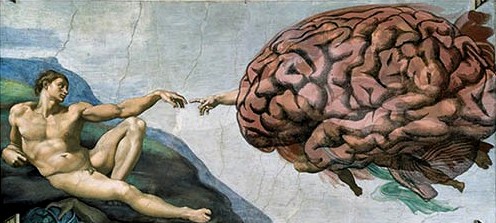
This time, I'll try to describe the other side of the coin — how we can harness the brain's capacity to change and rewire it to reduce the pain experience, and even recover from it. There are several new treatment approaches that developed over the past decade that do exactly this, and show promising results in a number of clinical trials published in highly prestigious scientific journals [1–5]. One of these approaches is called PRT (short for Pain Reprocessing Therapy). It's intended for chronic pain of brain origin (nociplastic pain), and it's what I'll be talking about today.
So how does it work? We've already mentioned that the brain produces pain depending on the perceived level of danger (consciously and unconsciously), so that even without an injury, pain can persist if the brain's "danger mechanism" is lit up. It follows that to improve such pain, we need to aim at the source of the problem — not "fixing" the body (if there's no damage causing the pain), but reducing the activity of the "danger mechanism."
That may sound simple, but it isn't always "easy"…
Because the "danger mechanism" is triggered unconsciously and has been overactive for a long time already, we can't (unfortunately) simply "switch it off." In fact, it's a bit like a campfire — we can learn to stop feeding it fuel and let it slowly die down. In PRT we essentially train the brain to change its automatic negative responses to pain — instead of responding to pain in a way that signals "danger" (which activates the pain cycle), to respond in a way that signals safety, and this across 4 different aspects:
- Cognitive
- Emotional
- Behavioral
- "Autonomic"
Cognitive. What are negative cognitive responses to pain? These are the thoughts and beliefs that accompany the pain, such as a fear of causing damage during harmless activities, a belief that the body is "damaged," that the pain signals danger and that I must avoid things that cause it and do more of the things that ease it. When there's an injury, thoughts like these are of course important, because they help us avoid further harm. But in the absence of physical damage, these responses only raise the brain's level of danger, which can sustain and amplify the pain experience.
PRT begins with in-depth learning: about the physical and cerebral pain mechanism; about the link between imaging findings and ongoing pain; about the potential of the body and brain to recover from injury and pain; and more. All of this through each patient's specific pain story. The patient learns how to assess and identify for themselves that their pain is influenced by neural circuits in the brain, by tracking their own patterns over time. This learning, together with becoming familiar with other patients' recovery stories from chronic pain, gradually allows them to leave behind those negative beliefs and thoughts, and so to gradually lower the intensity of the "danger mechanism" campfire.
Emotional. Negative emotional responses to pain include fear, frustration, despair, and the like. Sometimes it isn't fear like the fear of a snake, nor deep frustration. It can also be milder responses, like a sense of threat or aversion to the pain, a feeling of: "I don't feel like experiencing it," "it annoys me that it's there," "I'm fed up with it." Again — when there's danger, these emotions are very important for our survival. Imagine a child touching a hot stove for the first time in their life; the strong emotional response helps to sear (literally) into their brain that it's dangerous, and so teaches them to be careful of burns in the future. But in nociplastic pain, when there's no damage, even though the pain is intense and distressing there's no danger to the body — and those emotions only send the brain a danger signal, which sustains the pain cycle.
In PRT the patient learns, through various mental techniques, to reduce those emotional responses and instead approach the pain with curiosity, non-judgment, and safety. The immediate goal here isn't to reduce the pain, but to reduce the fear of it, the frustration with it, and the level of threat it creates — in order to help the brain switch it off in the long run.
Behavioral. Pain changes our behavior. Usually it makes us avoid whatever increases it. That avoidance, important in the early stages after an injury, over time teaches the brain to link that action to danger and to amplify pain on exposure to it. Another typical behavioral response is trying to "fix" the pain, expressed as an increased performance of actions meant to reduce it — for example, repeated attempts to stretch or massage the painful area, or to get a "click" out of it that will make the pain go away (which never happens…). These attempts send the nervous system a message that there's a danger that needs fixing, even if cognitively the person knows there isn't.
In PRT we map out those behavioral patterns, and gradually develop a plan to reduce them, in keeping with the patient's abilities.
Autonomic. By "autonomic" responses, I mean the response of the body's basic defense systems (the autonomic nervous system located in the brainstem) through physical stress and the Fight-or-Flight mechanism. Not everyone who suffers from chronic pain needs specific attention to this aspect, but some certainly do. Sometimes there are no negative thoughts about the pain, and it isn't too frightening or frustrating, but it does produce a strong stress response in the body — trembling or muscular freezing, shallow breathing, a raised heart rate, nausea, dizziness, headache, restlessness, dissociative thoughts… all of these may point to a dysregulated nervous system, which calls for specific work to lower tension before, or alongside, working on the other aspects.
Through various regulation exercises — breathing, mindfulness, grounding and relaxation exercises — we can, through the body ("bottom-up"), teach the brain that it's safe, so that less fuel flows to the "danger mechanism" and it can gradually relax.
From my experience, I've seen that not everyone suffering from chronic pain needs work on all of the above aspects. There are those who avoid nothing, but for whom the pain triggers a strong emotional response. There are those who aren't consciously afraid of it, but who over time stopped many activities they used to do. Tailoring PRT precisely to each person according to their situation is important. This personalized fit requires great skill on the therapist's part, and is always done together with the patient — a kind of walking a shared path.
A PRT therapist isn't an expert mechanic fixing a car, but more of a "trail guide" accompanying the patient on a long trek — they can't walk in the patient's place, but along the way they can guide them on how to avoid pitfalls and move forward toward their goal.
In a study of chronic back pain published in 2022 in the prestigious journal JAMA Psychiatry, it was found that after PRT about 66% (!) of the participants recovered completely from pain (a result that held even at a 5-year follow-up!) [1,5]. Another study by a different research group found similar results [2].
PRT can also help with other chronic symptoms that have no medical explanation, such as dizziness, tinnitus, exhaustion, and even sleep disturbances — though in these areas no studies have been published as of today.
Recommended links:
- A Washington Post article on PRT
- The documentary "Pain Brain" on recovery from pain
- A podcast on PRT and pain
- Alan Gordon's PRT self-treatment program
Sources:
- Ashar et al. 2022. JAMA Psychiatry.
- Donnino et al. 2021. Pain Reports.
- Lumley et al. 2017. Pain.
- Yarns et al. 2024. JAMA Network Open.
- Ashar et al. 2025. JAMA Psychiatry.
Disclaimer: The information in this article is for general knowledge only. It is not personal medical advice and is not a substitute for it. If you have any health problem, please consult a qualified health professional to evaluate it.